Long before saunas were a wellness trend, Ireland had its own. The teach allais, the house of sweat, was a small dry-stone hut, usually beehive-shaped, with a low door you crawled through and a hole in the roof for smoke. More than three hundred of them are recorded in the national monuments survey, most in the north midlands and the north-west: Leitrim, Cavan, Fermanagh, Sligo, Roscommon, Tyrone. Many more have fallen or been swallowed by hedges.
How they worked
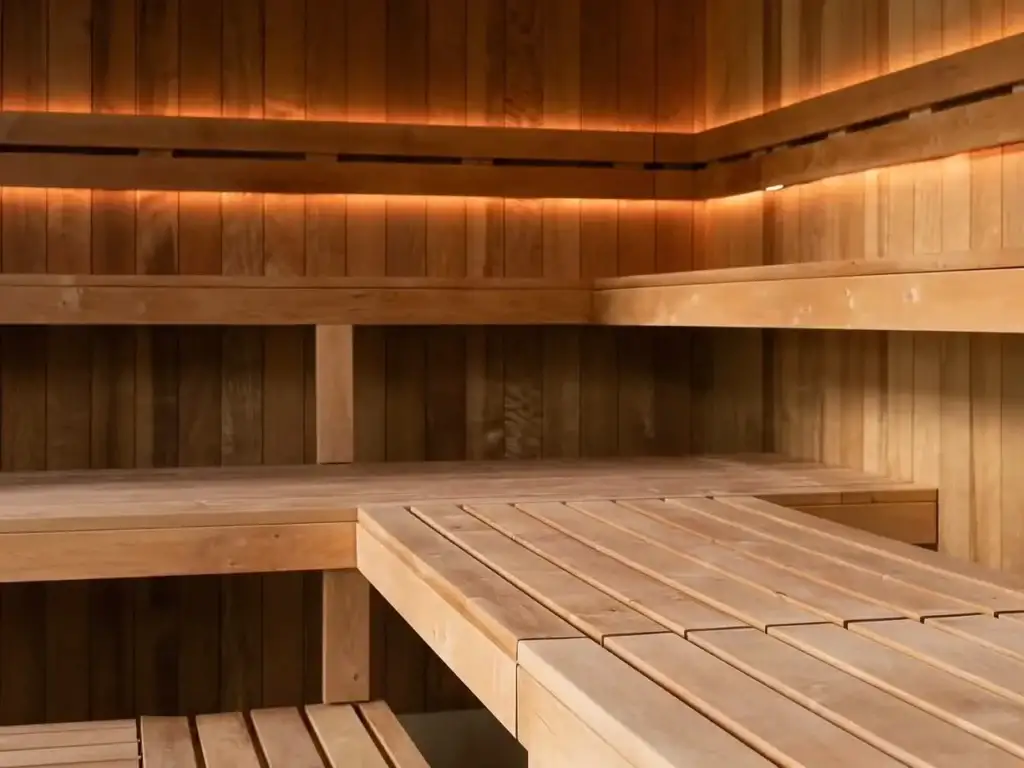
A turf fire was lit inside and left to burn for hours until the stones were hot through. The fire was raked out, rushes or straw were laid on the floor, and the bathers crawled in, often several at a time, and sealed the door with a sod or a sack. They sweated until they could bear no more, then crawled out and plunged into the stream or pool that nearly every sweathouse was built beside. Then home, wrapped up, to sleep. Hot stones, steam, a cold plunge and a lie-down: a sauna, in every respect that matters.
What they were for
Rheumatism, above all. Nineteenth-century accounts describe the sweathouse as the country cure for aches, stiffness, colds and fevers, and for some ailments the local doctor would send you there himself. There are stories of use before a long walk to a fair, and of courting couples, and of people who swore by a sweat before a dance. The tradition was alive within living memory in parts of Leitrim, with some houses used into the 1920s and a few later still.
How old are they?
Nobody knows for certain. The surviving huts are hard to date because dry-stone construction looks the same across centuries, but the earliest written references are from the seventeenth and eighteenth centuries and the practice is older than the records. Some archaeologists link them to the broader European sweat-bathing tradition that the Finns kept and most of the rest of us lost; others think they are a local invention. Either way, they are ours.
Where to see one
The best-preserved examples are in Leitrim, where the county council has mapped and signposted a number of them, and in the Cavan and Fermanagh borderlands. They are on private farmland, mostly, so ask. Look for a low mound of stone by a stream, a door you’d have to go through on hands and knees, and a corbelled roof you can stand up under once you’re in.
Why we took the name
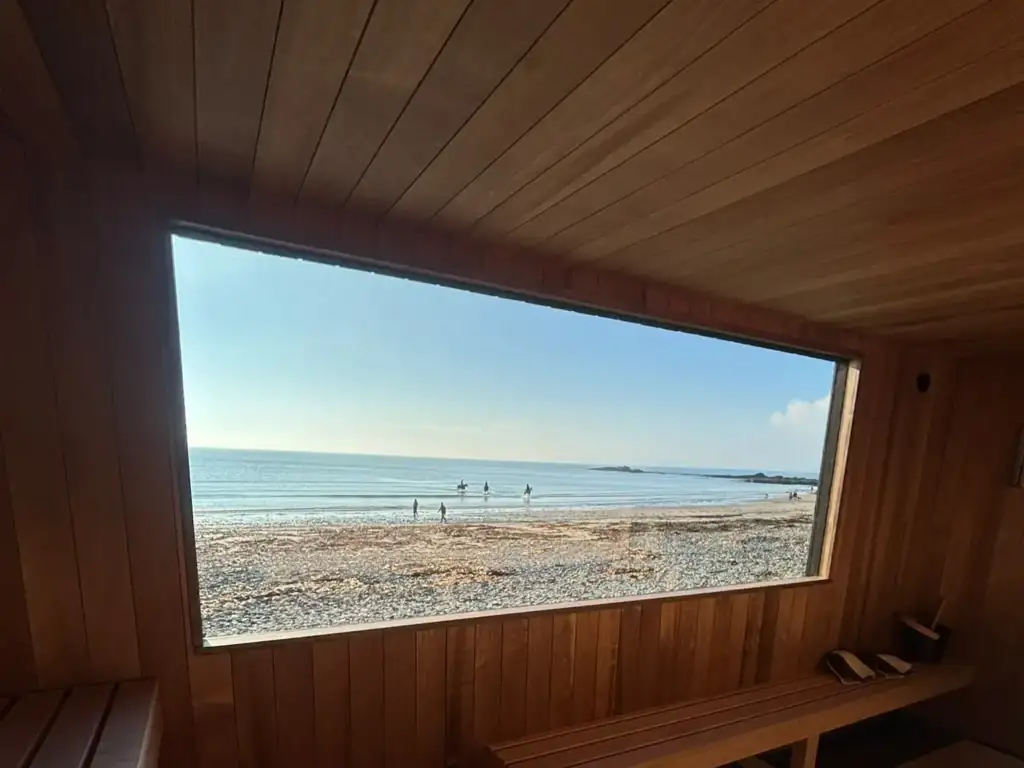
When we set out to put a wood-fired sauna on a Cork beach, we thought we were borrowing a Finnish idea. Then we read about the teach allais and realised we were bringing something back. The sea is our stream. The fire is still turf’s cousin, wood. And the lie-down afterwards is yours to take on the sand. That’s the story behind The Beacon.
Read next: Sauna and cold water: what the research actually says and Things to do around Kinsale when the crowds have gone.